
School of Diamonds
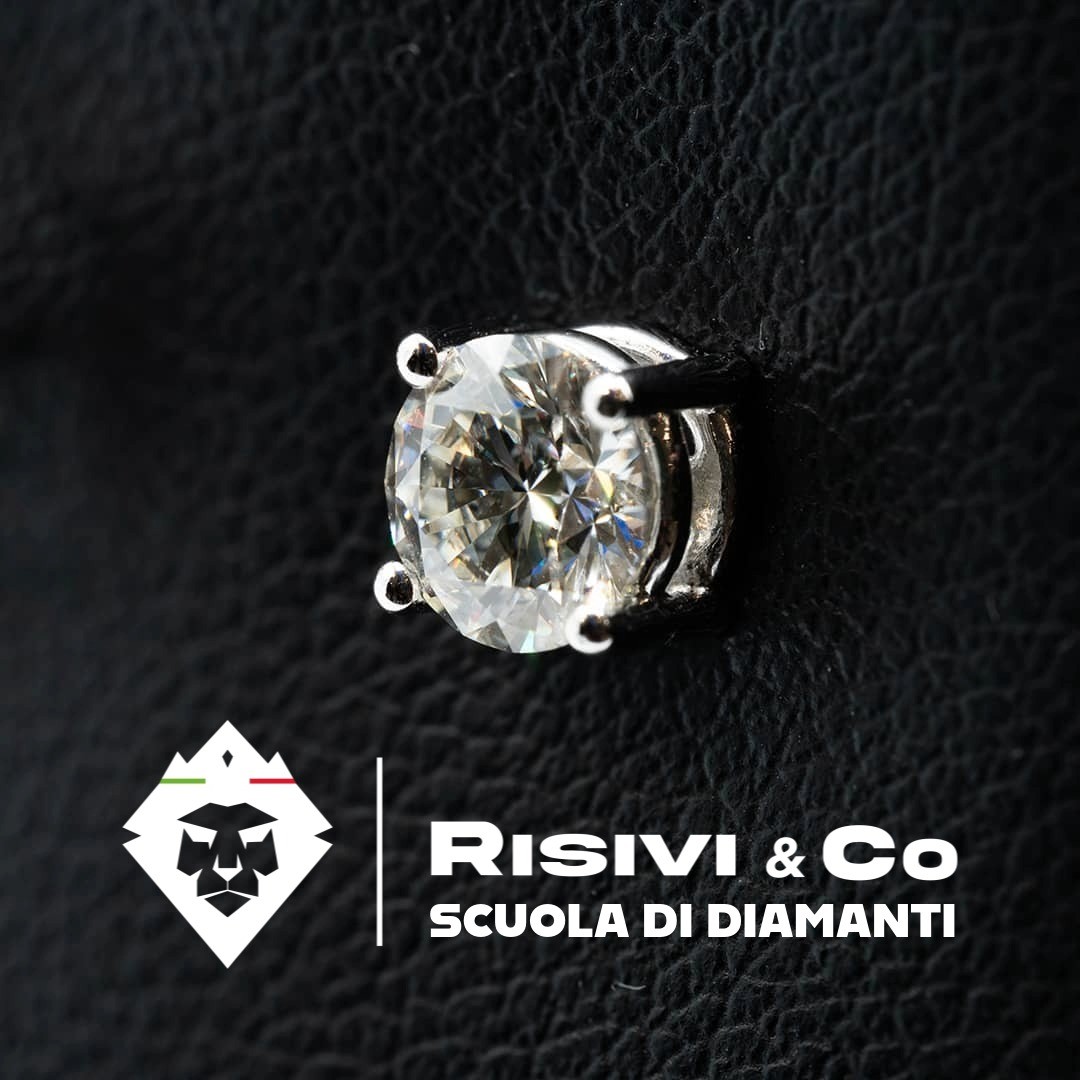
“School of Diamonds by Risivi” is a format created to guide viewers through the world of luxury fine jewelry, with a special focus on diamonds and materials.
The goal of the mini-series is to explain in a simple and practical way how to analyze the characteristics of jewelry, understand its value, and make informed long-term investments.
Each episode delves into a specific aspect, also involving experts in the field to provide a detailed and professional view.
Ep. 2: Purity and CutPurity (Clarity): We introduce the concept of “inclusions,” the internal imperfections that grade the…
In this episode:
Purity (Clarity): We introduce the concept of “inclusions,” the internal imperfections that grade the clarity of a diamond, from IF (Internally Flawless) to I3 (Included).
Cutting (Cut): The importance of geometric proportions is explained, and different types are introduced, such as the classic brilliant cut (the most commercial), emerald, baguette, oval, and other “fancy” cuts, which have a slightly lower value.
Ep. 3: Purity and CutThis episode concludes the analysis of the 4Cs, focusing on carat and color
This episode concludes the analysis of the 4Cs, focusing on carat and color
.
: It is explained how the carat represents the weight of the diamond (1 carat = 0.20 grams) and how stones with a carat greater than 0.50 are considered to be investment grade, as their larger size allows the brilliance to be better enhanced
. A clarification is also made from an earlier episode, specifying that inclusions in SI purity stones are visible with a loupe and only in exceptional cases and on very large stones can they be noticed with the naked eye
: Considered the factor that most influences visual perception, the color classification scale is illustrated, from outstanding white (D, E, F) to shaded yellow (J to Z).
Diamonds are also mentioned
, stones of rare colors (yellow, red, blue) with significantly higher value.
It is emphasized that color is, in some ways, more important than purity for the final visual impact.
The episode also explains the importance of the
issued by authoritative institutions such as GIA, IGI and HRD, attesting to the quality of the stone and guaranteeing its value.
Finally, a practical example of
using the Rapaport price list, multiplying the reference value by the exact carat of the stone.
Ep. 4: EmbeddingThe fourth episode is devoted to the techniques of setting, with the participation of a master setter…
The fourth episode is devoted to the techniques of setting, with the participation of a master setter who shows his work live.
The procedure for setting a brilliant-cut diamond on a jaw setting is illustrated, highlighting the precision required to create the housings (“sextins”), lock the stone, and finish the metal.
The complexity of processing on harder materials such as the’steel, which requires specific equipment such as tungsten milling cutters and burins to ensure precise and less strenuous work. The episode concludes by emphasizing the qualitative difference between a Made in Italy and one produced abroad.
Ep. 5: The MaterialsThe last episode looks at materials used in jewelry, both traditional and innovative.
The last episode looks at materials used in jewelry, both traditional and innovative.
Traditional Materials: It mainly discusses the’gold and its different carats (9, 18 and 24 karat), explaining how 18 karat gold (75% fine gold) is considered the best in Western culture for its balance of hardness, strength and lasting brilliance. The visual and cost difference between a 9-carat gold piece (typical of American jewelry) and an 18-carat piece (standard for high jewelry and brands such as Risivi & Co) is shown. We also talk about the platinum, a material that is purer (95%) and more durable than white gold.
Innovative Materials: Contemporary materials such as the 3D nano ceramic, the carbon, the cashmere And the centuries-old briar wood. The episode includes an interview with Simone Todini, a goldsmith and designer who has worked for major brands, who explains how these materials allow for a modern reinterpretation of fine jewelry. It is emphasized that the’high jewelry is not only defined by material, but more importantly by the complexity of workmanship, construction quality, and finish.